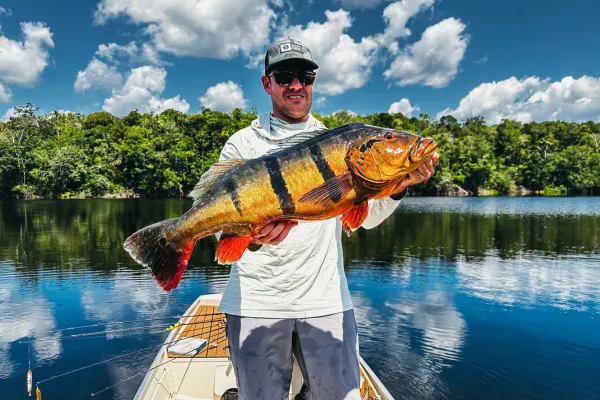
Peacock Bass Jig
If you're going all the way to the Amazon to pursue the world's greatest freshwater sport fish, then you owe it to yourself to be equipped with the right gear, the right lures and the knowledge to use them. This guide will tell you everything you need to know about the peacock bass rattle jig. This simple and easy-to-use lure will outfish every other popular peacock bass lure in just about any water and any conditions. It is provided for you, on-site and free of charge as part of your “all-inclusive” package,
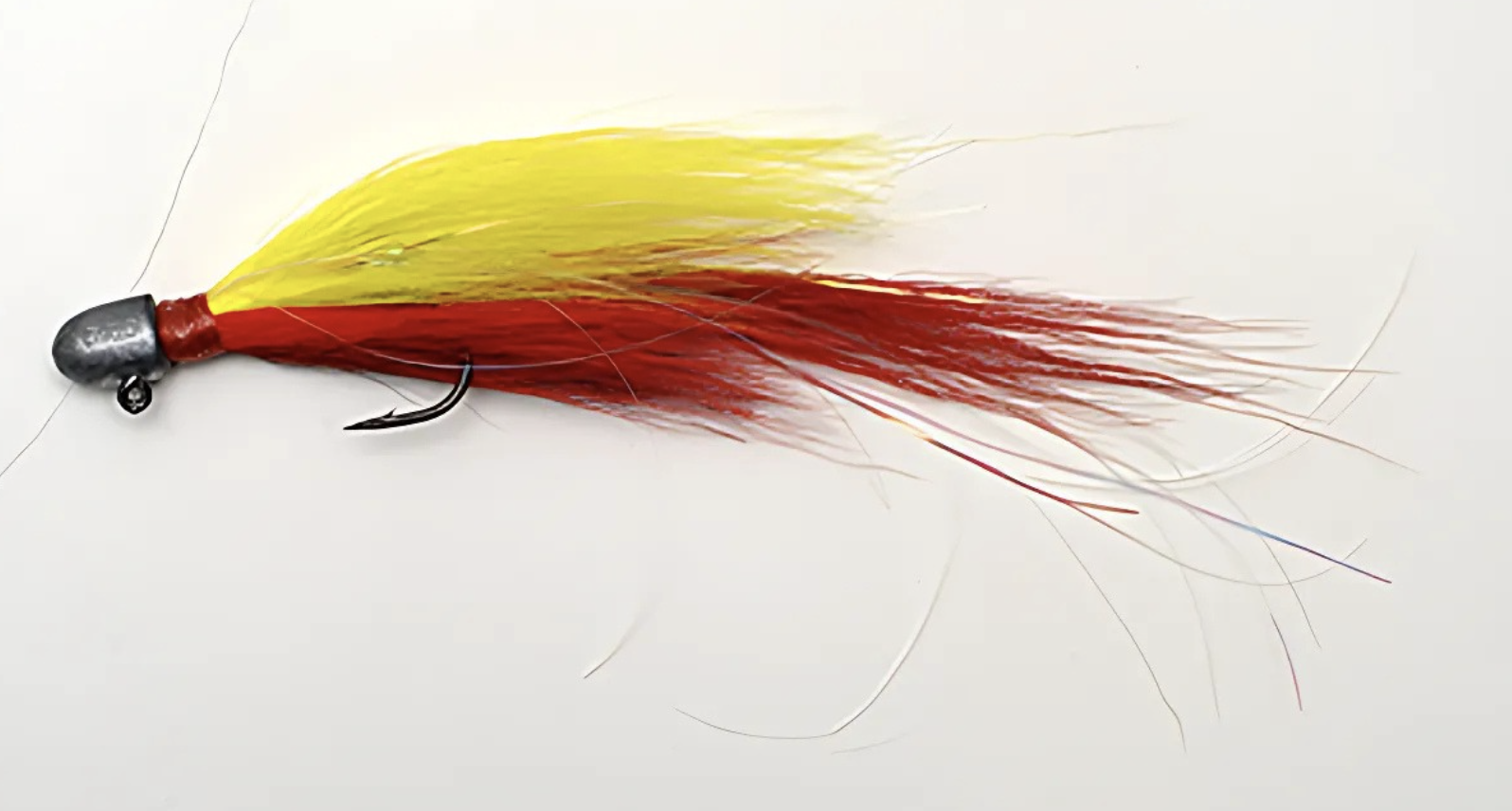
The most productive Amazon peacock bass lure.
Peacock Jig Overview
Characteristics - The peacock rattle jig is the most productive, and among the easiest of all lures to use to catch peacock bass. This light-weight, streamlined lure is unique in its configuration and appearance. Unlike conventional jigs, it uses an ultimate darter style, half-ounce head and an extra-strong, extra-wide-gap hook. Sporting an extended tail, the peacock rattle jig is tied with contrasting colored bucktail. It's also unique in the way it's fished. This jig is not jigged at all - it's stripped through the water with accelerative pulses and at a fairly high speed.
Because it is fished rapidly, it not only doesn't bounce off the bottom like conventional jigs do, it rarely drops more than several feet below the surface. The peacock bass angler uses this jig as though it were a streamer fly, ripping it through the water a foot or two at a time. Its light, half-ounce weight, allows the fisherman to balance speed and depth to keep the jig moving and off the bottom, while the stripping motion causes the bucktail to pulsate with each rip. The peacock bass rattle jig works best with a medium-light spinning outfit and 30 pound test braided line. This light weight rig will allow you to cast it very accurately in cover. Use it to probe among fallen timber in lagoons, casting parallel to trunks and branches and retrieving it quickly, right through where the fish find cover. Cast it over sand banks and saddles at lagoon mouths and inlets, ripping it rapidly from deep water to shallow and back again. Probe fast water, rocks and eddies in the river itself. In all of these applications, peacocks will readily pound these baits. Remember, its the speed of the acceleration between rips that triggers the strike, not the overall speed of the retrieve. The faster you accelerate them, the harder they hit them.
Jigs of all kinds are effective clear water lures. Unfortunately, when fishing for peacock bass, black water is the norm. A regular, garden variety jig, therefore, is not as effective here. A conventional jig is primarily a sight lure. If the fish don't see them, they just won't hit them. Sidewinder's Peacock Bass Rattle Jig is not a conventional jig. As its name implies, it's equipped with a hidden rattle, attracting attention and evoking the underwater effect of baitfish gills working, a sound dear to the heart of a hungry hunting predator. By adding sound and vibration to the jig’s appetizing appearance and motion, the peacock rattle jig overcomes the limitations of conventional jigs and multiplies its chances to be sensed by the ever-aggressive peacock bass.
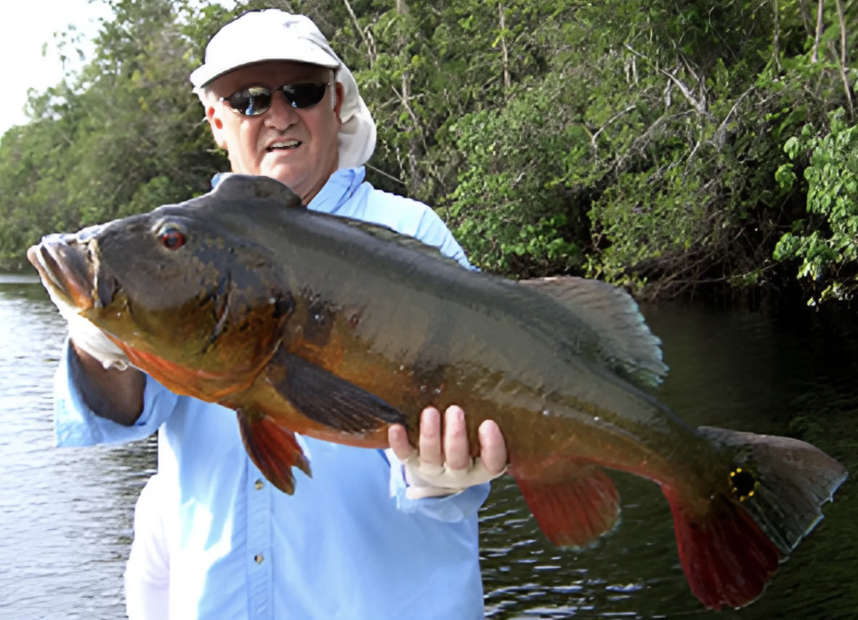
The Peacock Bass Rattle Jig Catches Trophy Peacock Bass
Fishing with the Peacock Jig
The unique "Sidewinder’s Peacock Bass Rattle Jig" is the Amazon’s most productive peacock bass lure. Year after year, its design and effectiveness have been improved. Today, it has evolved to become an integral part of every peacock anglers tackle-box.
The peacock bass rattle jig can be an angler's secret weapon. Sometimes the big noisy surface plugs just won't get eaten. Sometimes water conditions demand a quieter presentation. Sometimes nothing else works. Having a few jigs in your arsenal ensures your ability to succeed in variable conditions. Although just dragging this highly visible lure through the water is often enough to get it found and eaten by peacocks, several techniques can make it even more productive. Here are some of the basics:
Casting it - After slinging a huge woodchopper for hours, anglers hardly notice the minuscule half-ounce weight of this lure. Take advantage of this. Don't try to throw it on a heavy spinning rod or baitcaster. Downsize. Sidewinder's gear of choice for this lure is a medium-light fast action spinning rod. Add a medium sized spinning reel and spool it up with a strong, fine braid (30 pound test). With a little practice, this rig will provide pinpoint accuracy, effortlessly long casts, fast retrieves and plenty of fish fighting power. If you're a diehard baitcaster and absolutely can't or won't throw a spinner, at least switch to a light rig. Use a medium or lighter rod. Make sure you have a fast retrieve reel (7:1 or better) to maximize the jig's acceleration.
Moving it - The peacock bass jig is effective in a great variety of retrieve methods. The only things that don't usually work very well are fishing it too slowly, or bouncing it off the bottom like a conventional jig. Big peacocks don't usually find it that way. They are piscivorous (fish eaters) and are used to fast moving prey. Accelerate your jig quickly. Work it as though it were a streamer fly, running shallow (2 to 5 feet) with a steadily accelerating start and then a short, abrupt stop (see diagram below). Conversely, off points or in deep, fish-holding water, let it sink a bit and then crank it, with rhythmic jerks, toward the surface. In shallow water or along beaches, skitter it quickly above the bottom or the creases in the sand. The key to the jig retrieve is to generate a strong, sharp acceleration after each pause, making the bucktail pulse and then move rapidly away from the observing predator.
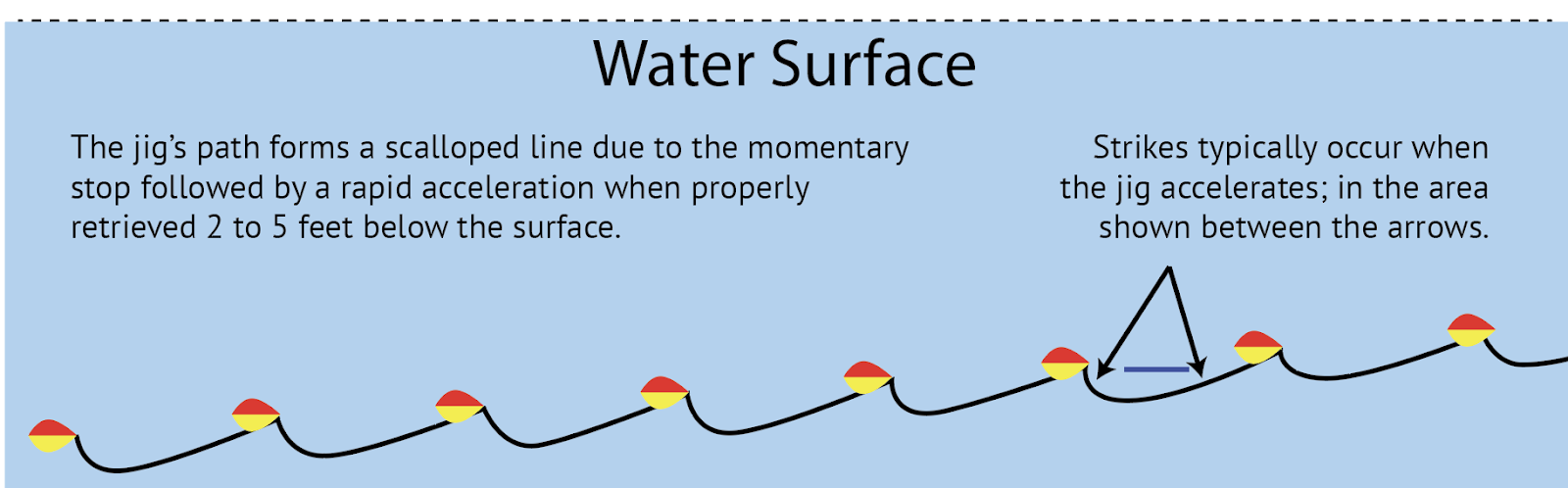
How to move the Peacock Bass Rattle Jig in the Water
In order to maintain a good rhythm, to keep your line tight and to stay in position to set the hook on a striking fish, it's important to always keep your rod pointing directly at the lure. If possible (depending on boat position), keep the rod in front of you and flick it downward to accelerate the lure. retrieving line rapidly with the reel after each flick. Using your forearm and snapping your wrist, load the rod and let the rod jerk the lure repeatedly and somewhat rhythmically. This will provide the motion favored by peacocks while keeping you in optimal position to set the hook. If conditions require that you work the rod horizontally rather than downward, you can still be very effective. Make your cast and turn your body so that you are approximately 45 degrees from standing parallel to your line. Rip your rod sideways, stopping the rod well before it reaches a 90 degree angle with your body.. Quickly crank up the slack and repeat. Never let your rod get behind you and never let your line get slack. It will take you out of a good hook-setting position and will disrupt your ability to maintain a consistent fish attracting retrieve.
Locating it - As with other peacock baits, placing your jig effectively and moving it through high percentage locations will help to maximize the number of strikes you trigger. First of all, cast at structure; the closer you land to standing timber, pockets between logs and shoreline points, the more likely you are to land on a laid-up peacock's head and instigate an instantaneous strike. Secondly, move your lure along structure; Working your jig along the trunk of a fallen tree can be absolutely deadly if a fish is holding there. Crossing or paralleling lay-down logs, points, shallow saddles, drop-offs or timber lines will increase your opportunity to get in front of a peacock and trigger a strike. Finally, take advantage of opportunities; Cast directly at surface disturbances, scattering baitfish and, of course, feeding peacocks.
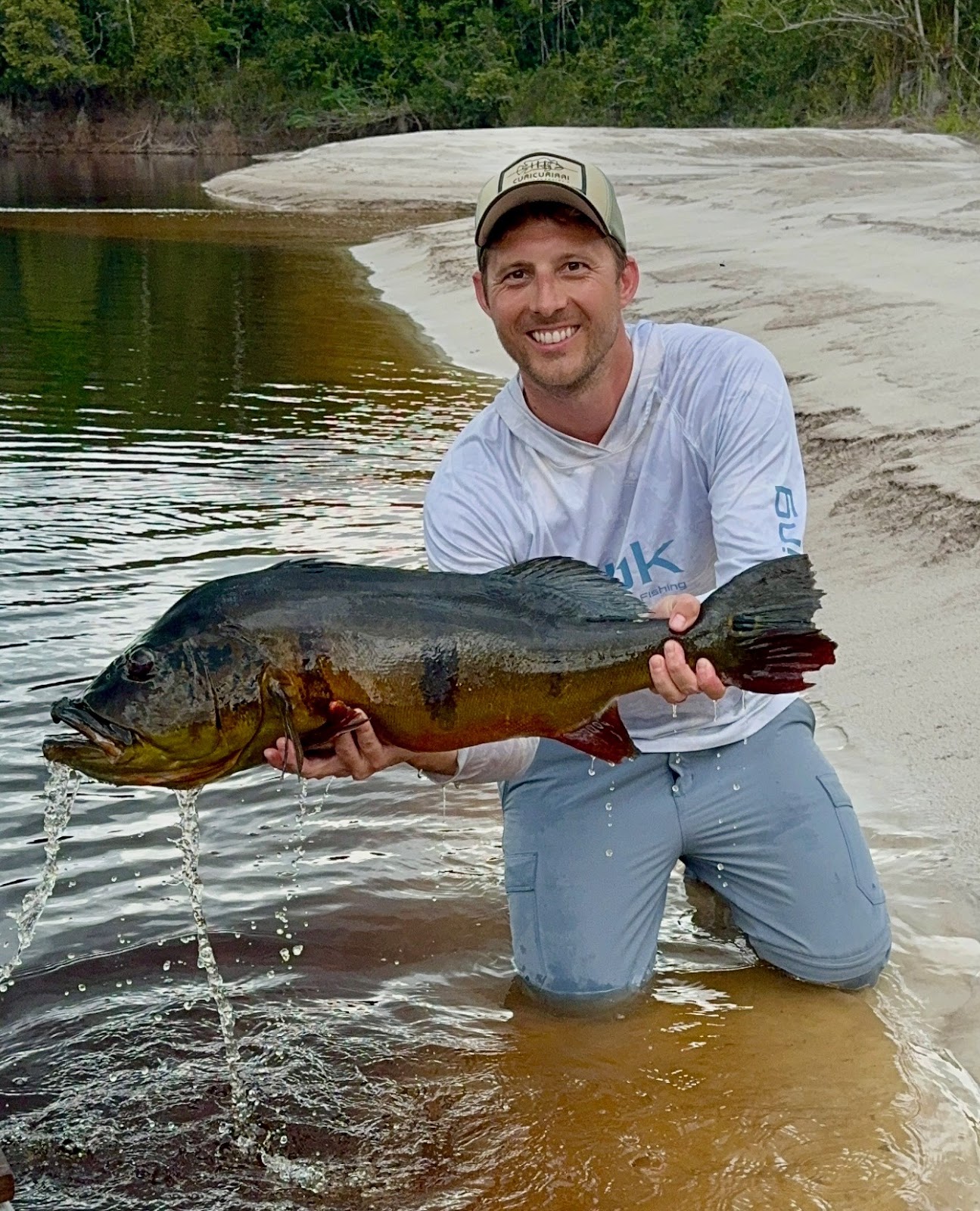
A Trophy Peacock Bass Caught with a Sidewinder’s Peacock Bass Rattle Jig
Setting the Hook - Peacocks will strike the jig as it accelerates, not on the drop like a largemouth would. There's usually no doubt about a peacock strike. When you feel it, set hard with wrist and arm, using the rod's power to drive the hook home. It's much easier to set the hook with a peacock jig and you'll get surer hook-ups than with the usual array of treble-hooked lures. The single hook configuration and the jig's extra large, extra-strong, 6/0 Mustad hook has a wide gap that enables it to pass around the large, heavy jawbone of a big peacock and to sink home into less resistant tissue. For the very same reason, it's important to maintain constant pressure and a bent rod once you're hooked up, in order to prevent the single hook from sliding loose on a slack line.
When to use it - Although you can use this lure anytime and all the time, typically most anglers will mix it in with an array of other lures. Here are some practical ways to use it:
As a fish-finding tool - This lure covers a lot of water quickly. Use it when entering new areas to test for the presence of fish or to find where they're holding in the area.
As a second presentation - Anglers often encounter peacocks that will blast the big prop baits into the air, but not take them; Or they’ll short-strike and miss other lures; Or simply fail to hook up on the first encounter. They will usually ignore the initially presented lure from that point on. Drop a jig in his face and he'll be much more likely to turn on again.
When your partner hooks up - Peacocks often hunt in bunches. If your fishing partner hooks up, use a jig to offer an easy meal to the often jealously competitive fish hanging behind the one already hooked up. Very often they're even bigger than the first. (A word of caution - If your partner is hooked into a trophy, don't cast at all. Put down your rod, cheer him on and stay out of his way.)
Sight-fishing - Used like a streamer fly in clear water, the jig is a very effective sight fishing lure because of its relatively subtle presentation. If you can see them, they can see what you're up to. A well presented jig won't be as likely to spook shallow or cruising peacocks.
When you're tired - After slinging 2 ounce hunks of lumber for a few hours, the jig feels just about weightless.
Anytime and all the time - A great all around lure, in just about any conditions the jig will catch significantly greater numbers of peacock bass than any other bait
When not to use it - The jig may not be as effective as usual in very murky water or very shallow or detritus strewn water. This is the place to put your prop bait or zara spook to work. These baits will cause a surface disturbance and make plenty of noise. If the surface baits prove unproductive and you know there are fish in the area, the jig will still make an excellent follow-up presentation.
Peacock Jig Colors
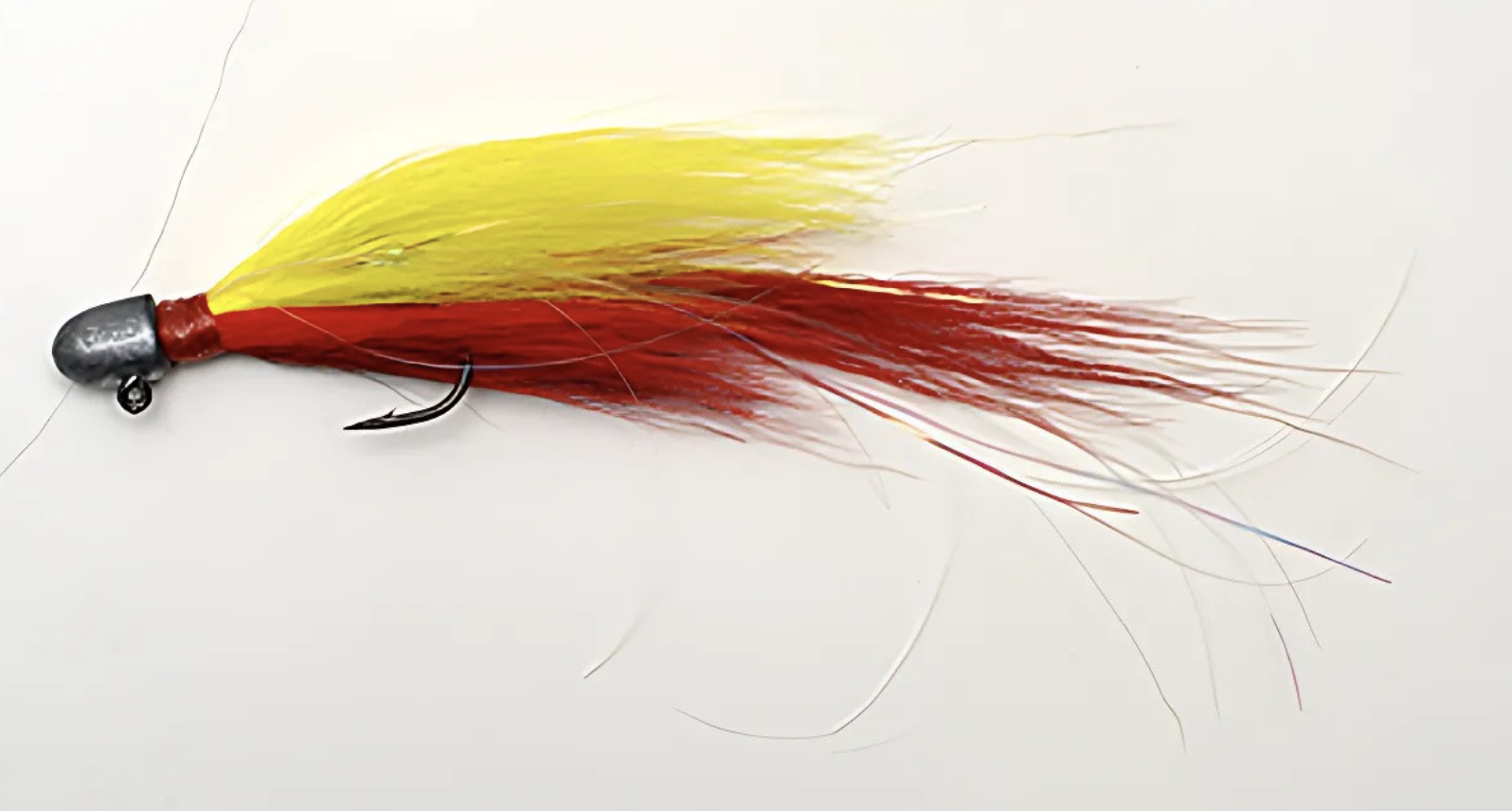
The most productive all-around color pattern and our most popular choice. The red - yellow pattern works in almost all water conditions and is recommended as the anglers first choice when entering new waters. This is the go-to coloration for peacock bass anglers.

The red-white peacock rattle jig is our second most popular pattern. It can provide a slight visibility advantage when water is murky or in extremely heavily stained waters.
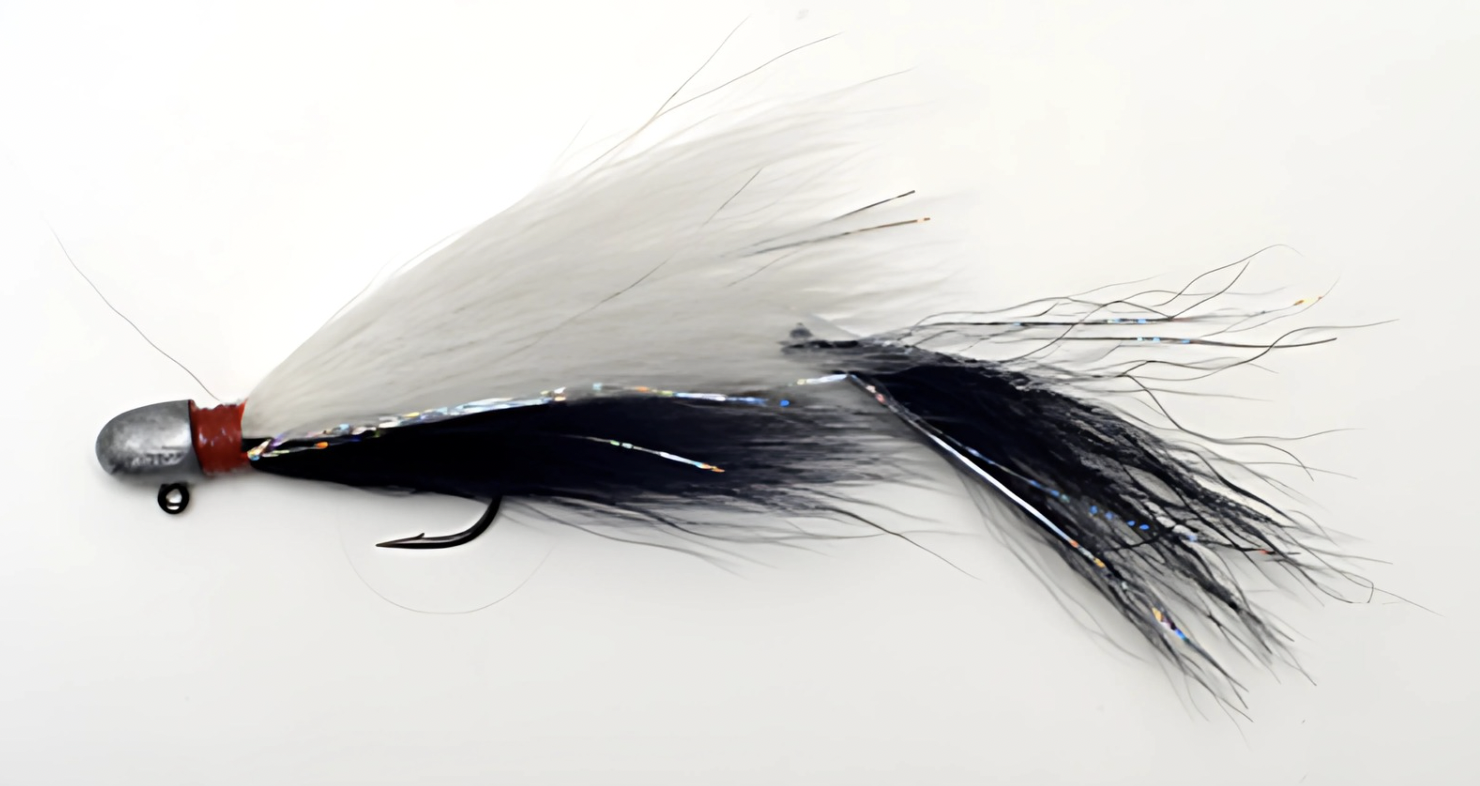
A specialized pattern, black-white is most productive in rocky, fast-water locales. As a bonus, its a great payara catcher.
Sidewinder’s Peacock Bass Rattle Jig - Tips
Get the most out of your Peacock Bass Rattle Jig — First off, not all jigs are created equal. Sidewinder’s Peacock Bass Rattle Jig is the original peacock bass rattle jig and has been evolving and improving since the day it was first used. It boasts the strongest hook available in a ½ ounce jig and has the most carefully defined set of visual parameters of any peacock bass jig.
Avoid Flimsy Jigs - Tying your own? Don't use commercial jig heads with undersized, under-strength hooks. They might be great for small fish but when the big one hits, they will break your heart soon after the strike. Saltwater jigs are usually okay as the strength of the hook is usually greater than standard freshwater jig hooks.
Use braided line - For the most successful presentation and especially for ensuring a solid hookset, use only braided line. The peacock's hard, bony mouth and sudden violent attack makes monofilament's excessive stretch a disadvantage for the angler. A medium-light spinning rod or medium baitcaster with 30 pound test braid is a good combination.
Use double line for the first 6 inches — A big peacock will often engulf the jig entirely, leaving the braided line it’s tied to in contact with the fish’s raspy teeth after you’ve set the hook. During the fight, big peacocks will usually make multiple runs, changing direction each time and letting those rough jaws constantly abrade the line. Anglers can actually feel the vibration and sense the stress on the line. After enough turns or enough rubbing, the line may part, leaving that horribly empty feeling in the pit of an angler’s stomach when he knows his trophy is irrevocably gone. So, tie a short length of double line for the first 6 inches (you can make a short bimini twist or a use a short length of the tag end after a palomar knot, held in position with a lock knot — or just let our guides tie it on for you). The double line won’t make your rig any stronger or allow you to start horsing a big fish; it will simply provide an extra level of assurance against abrasion and may save that trophy fish for you. Be sure to inspect the line periodically and retie if necessary.
Set the hook! - Peacock bass have hard, bony mouths. You must set the hook effectively. To do this you will have to sweep or jerk your rod quickly and forcefully away from the fish. You must always be in a ready position. Your rod must be in front of you at all times. Don't let your rod get behind you - you will simply have no range of motion and no place to go to set the hook.
It is always to the angler's advantage to work the rod down toward the water to initiate the stripping action. Sometimes however, its just not possible. This may be a problem for shorter anglers, for casting ahead or behind yourself or for fishing without a boat. In these cases it may be necessary to work from side-to-side, as shown in the diagram below. These situations make it especially important to not allow the rod to get into a position where you cannot set the hook.
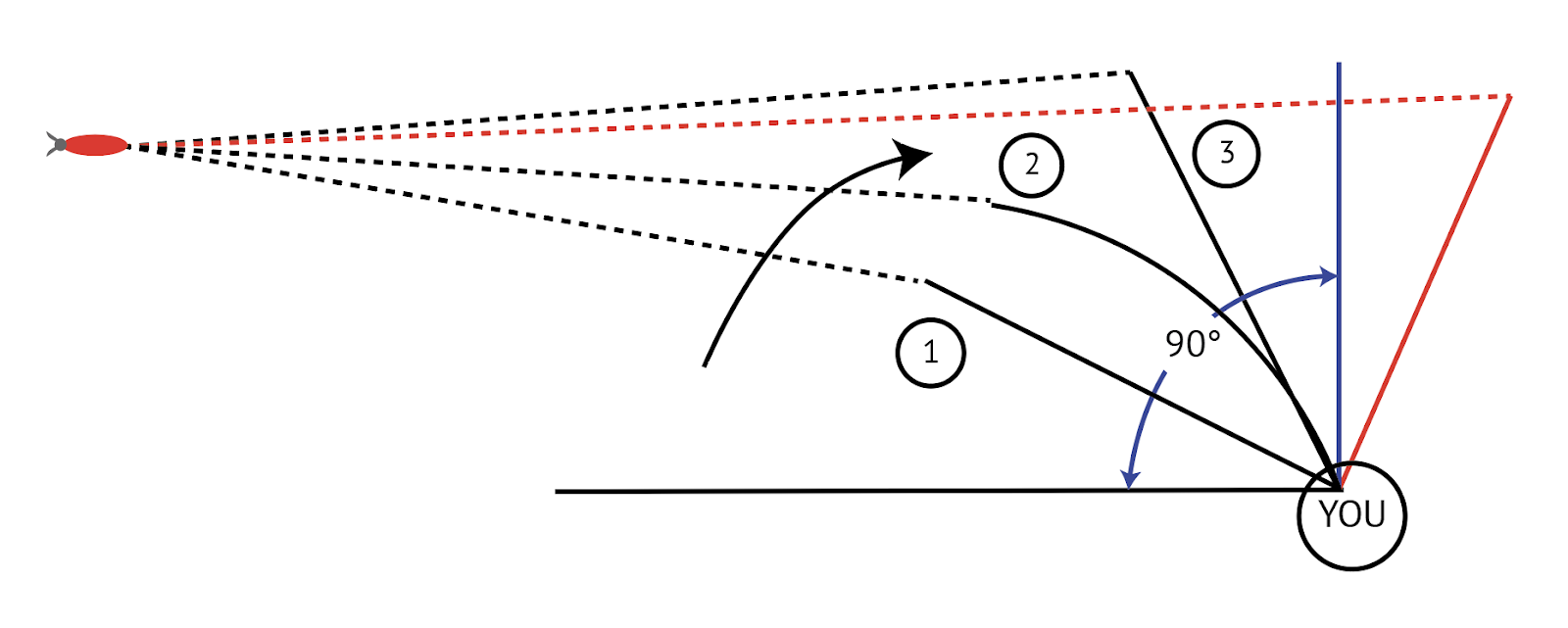
How to set the hook when fishing with the Peacock Bass Rattle Jig
In the diagram above, position 1 represents the rod at initiation of the strip. Position 2 is the transition, loading the rod during the strip. Position 3 is the end of the strip and the farthest from a straight line that you should be at completion of the rip. At this point, you must rapidly recover line while moving your rod back to position 1. It's never a good idea to work the rod upward. Never let yourself get further than 90 degrees from a straight line when ripping the jig, as in the red position. You need to reserve that space for setting the hook. Peacocks almost always strike as the jig accelerates, so you will likely feel the strike in position 2. From here, you have plenty of room to sweep the rod back through the blue 90 degree point and all the way to the red position. With a good quality braided line, this will ensure a good hookset.
Big baits provide a higher percentage of big fish, up to a point - The peacock jig's unusual tailed configuration helps it to provide a large profile while it's bucktail trim provides a very effective pulsing motion. It will catch any peacock, from the smallest to the largest. Peacocks won't hesitate to attack anything they think they can swallow, so the little guys won't be put off by a big jig. In fact, it appears to them to be a most attractive meal, justifying the expenditure of energy to hunt it down. This is even more applicable to the big ones. Big fish really do seek big baits. Although little jigs may catch plenty of numbers, they can't produce the higher percentage of trophy fish that a large profile Peacock Rattle Jig will bring in. Energy is at a premium in the hot tropics - don't waste yours casting lower-percentage baits. The large profile peacock Bass Rattle Jig will justify the energy you use to cast it, just as it justifies the energy a peacock uses to strike it. One caution however. Pursuing a large profile can go too far. Even extra large bucktail, such as we use on the peacock rattle jig has its limits. Some who copy our jig go beyond that, extending the tail so far that it creates the perception of a second baitfish. The result is that peacocks will often strike the tail of these improperly designed jigs, perceiving it to be a closer, more easily accessed bait. Of course, the hook is in the head, so these short strikes will not only be frustrating, but will actually diminish your catch numbers.
Make sure your bait is seen and heard - The built-in rattle and judiciously applied flash ensure that it's seen and heard as much as possible. Jigs with fewer attractor characteristics just won't be sensed as often by peacocks. A highly visible, noisy jig will provide a better return on your casting effort. Don't hide your lure. If the fish don't know its there, they won't strike it. The Peacock Rattle Jig comes in a variety of patterns. Red-Yellow and Red-White are generally the best colors for dark or stained water. In clear water, almost any color combination can work at various times. For this reason, your arsenal should include a preponderance of the two dark water patterns and then a wide range of one or two each of the various clear water colors.
Peacock Bass Rattle Jig Features
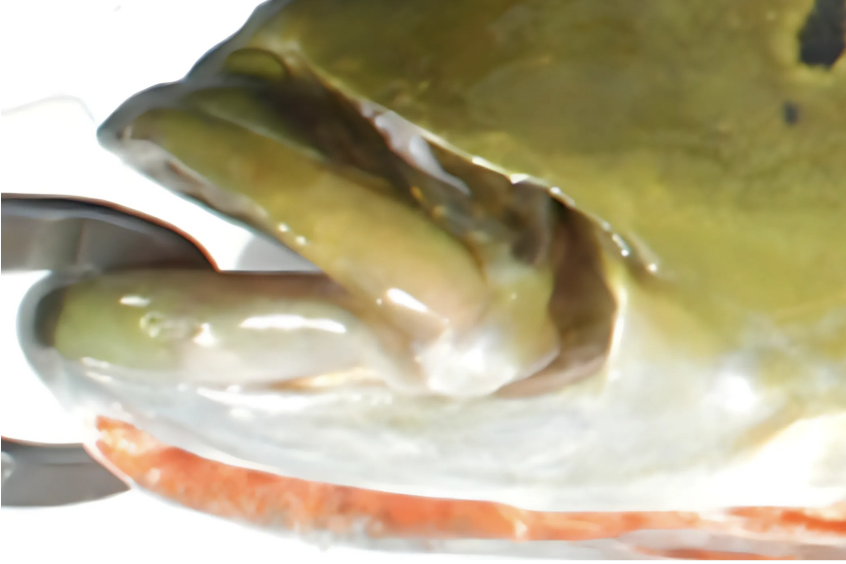
Big peacocks have a heavy, thick jawbone. The wide gap in the peacock rattle jig's hook allows it to pass around the jawbone so that it encounters softer tissue, not impenetrable hard bone. With a hookset wrapped around its jawbone, the fish's fighting force is applied at the resistant curve of the hook, so that your adversary is unable to apply pressure to the less resistant point or straight shank and thus straighten the hook.
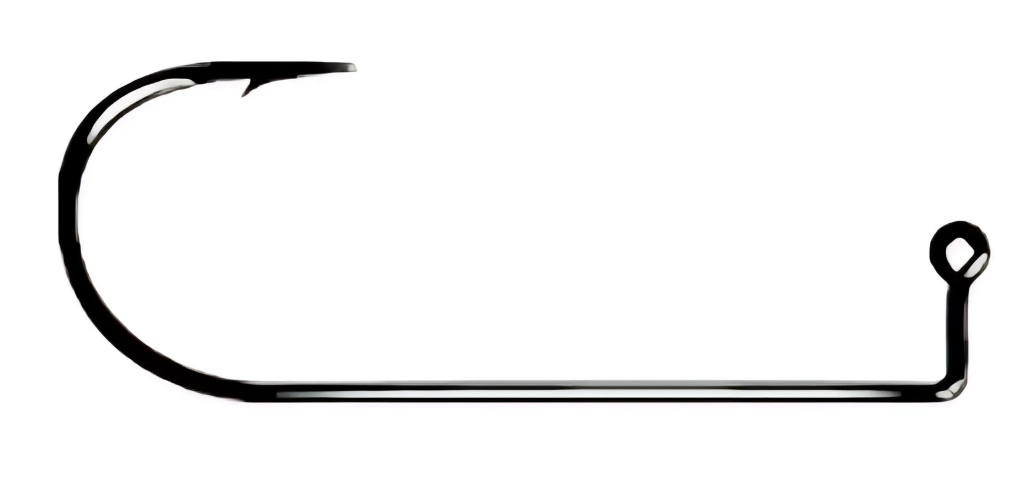
Extra Strong 6/0 Hook
Peacocks are brutal fighters. Their extraordinary power crushes and straightens hooks like so much tinsel. The Peacock Rattle Jig is built around a high-quality, super-strong 4X hook, to ensure that your trophy doesn't escape by turning your bait into a pretzel
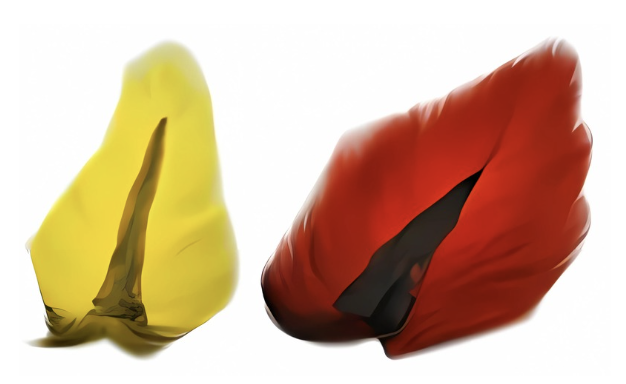
Extra-long Bucktail Material
Bucktail is unique among tying materials in its ability to provide life-like motion. Its hollow hairs naturally float and lend a pulsing motion to a properly fished Peacock Rattle Jig. Its natural flex and springiness can't be duplicated by cheaper synthetics. Sidewinder’s jigs are made with more expensive extra-long bucktail
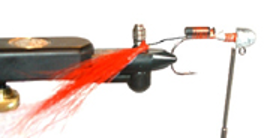
Flexible Pulsing Tail
Mounted with springy monofilament, the peacock rattle jig's extended tail flexes and moves naturally. Its bucktail fibers allow it to pulse with the angler's ripping motion, adding even more enticing, appetizing action.
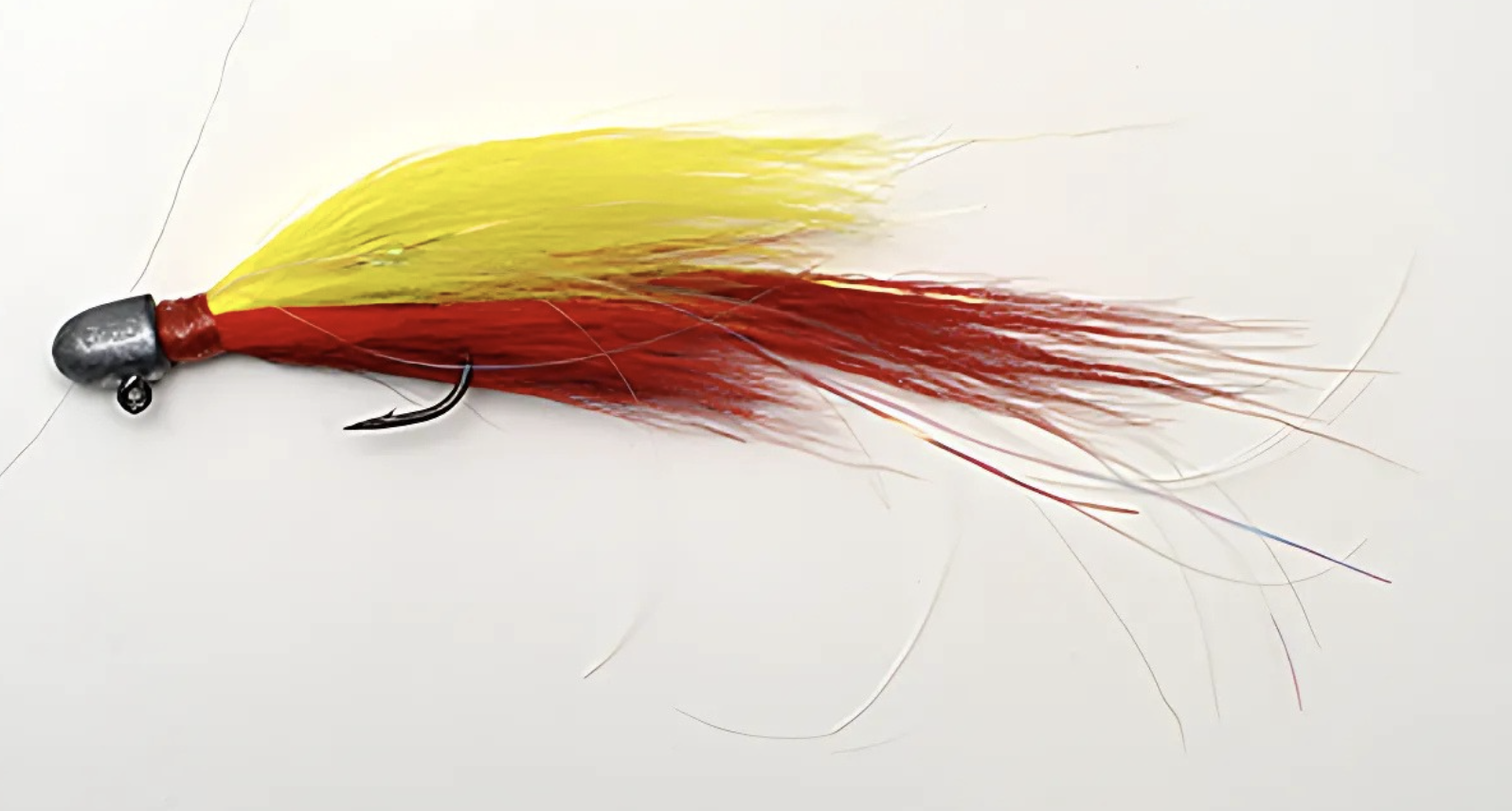
Extended profile
Even the largest deer tails have a limit to the length of their hairs. A simple garden-variety jig is typically limited to about a four inch profile. By adding the Peacock Rattle Jig's unique tail, the lure's profile is extended to over 7 inches, providing a more visible, more appetizing stimulus to large peacock bass. The old adage that big baits catch big fish works very well with trophy peacocks.
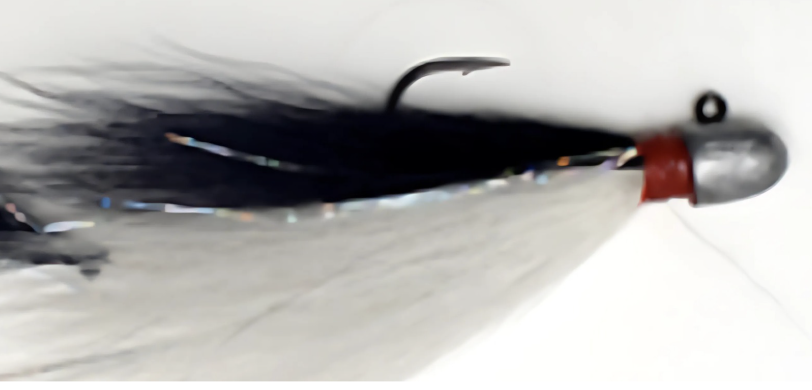
Contrasting Color Pattern
The Peacock Rattle Jig swims with the hook pointing upward when ripped quickly through the water. Just like a natural baitfish, its contrasting colors are arrayed with the darker shade above and the lighter shade below.
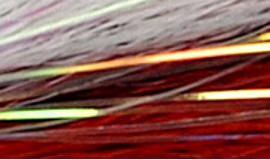
Flashing sides
Baitfish live and die by the effectiveness of their camouflage. To take best advantage of the natural physics of light in water, they are shiny only on their sides and not on the top or bottom of their bodies. The Peacock Rattle Jig has brilliant flash on its sides, arrayed just like a natural bait, yet highly visible when in motion.
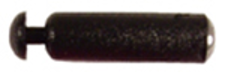
Hidden rattle
Tied directly to the shank of the extra-strong hook, the Peacock Rattle Jig is armed with a noisy, clacking rattle. Virtually indestrucible (plastic - not glass), the rattle provides extra dimensions of sensory output to attract hungry peacocks and makes the peacock rattle jig more effective in murky water than almost any other subsurface lure.
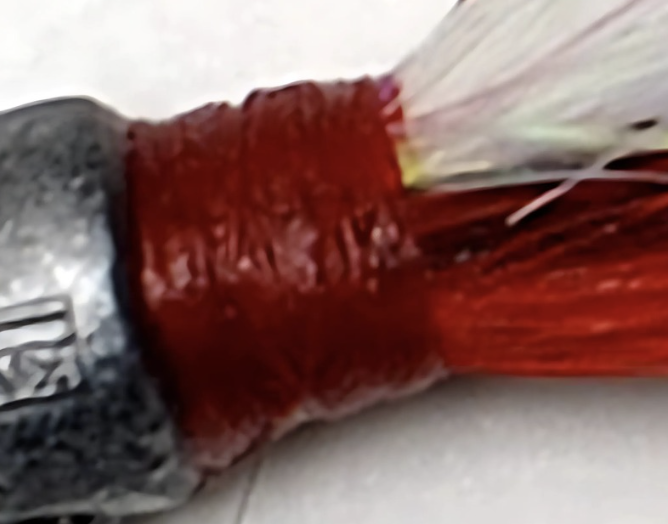
Durability
The peacock rattle jig is tied with an eye toward durability. Peacocks strike hard, so these jigs are made to last. All components are mechanically anchored and permanent glue is used at every step of the tying process. Although nothing will make it piranha proof, this jig will hold up to the worst a peacock can dish out.
Tie Your Own Peacock Jigs: Learn how to make your own in 4 easy steps
Before you start. The Peacock Rattle Jig is a particularly effective tool for the peacock bass angler because it's designed to successfully hook and land big fish as well as little ones. It is very important therefore, that the key design ideas and the quality level of the components are retained when you build yours. It makes sense to use the most effective fishing lure possible so that you can maximize the payoff in fish landed for the time and effort you'll expend using it. Here's our recipe.
Ingredients:
● 1/2 ounce Ultimate darter type jighead with extra strong 6/0, wide gap hook.
● Extra large bucktails in contrasting colors.
● Heavy, stiff mono (60 to 80 lb.) for the tail.
● Bright Flash material (i.e. Flashabou).
● Monocord tying thread.
● Zap-a-gap instant glue.
● Tie-on rattles.
Tools:
● A strong, solid fly tying vise with jaws big enough for the jig hooks (i.e. Regal Engineering).
● Tying bobbin
● Bobbin threader
● Whip finisher
● Scissors
The Process: Step 1. - Make a tail
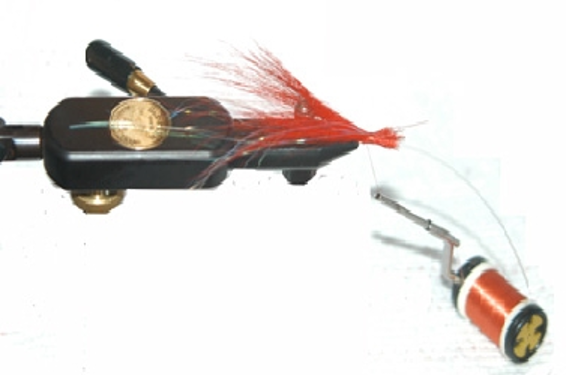
Cut a 4 inch piece of stiff mono and insert it in your vise. The jaws will crush the end and leave a nub that will help to retain the tail later. Leaving a long (6 inch) tag end, wind 5 loops of monocord tying thread onto the monofilament right at the base of the vise. Snip off a section of bucktail (add some flash if you like) and, holding it against the mono, affix it with 10 to 20 winds of thread. Finish by using the tag end to manually tie it securely to the mono. Add a drop of Zap-a-gap over the thread. Trim the excess hairs off the apex of the tail, creating a hydrodynamic profile.
Step 2. Attach tail and rattle
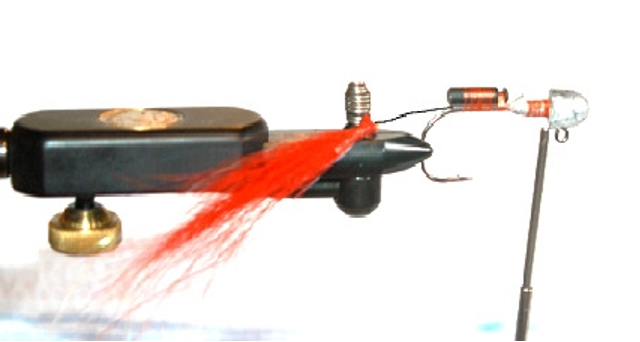
After the glue has dried, measure the tail against the jighead and cut it to the desired length. As you did before with the tied end, now insert the bare end into the vise to crush it and form another retaining nub. Insert the hook end of the jighead into the vise and anchor the tail with a few loops of thread in behind the nub. Hold a rattle in place on the hook shank and tie it into place, further fastening the tail's monofilament, using 25 to 50 winds of thread. Apply the Zap-a-gap so that it flows onto and between the threads, locking rattle and tail into place. Allow to dry.
Step 3. - Add belly color and flash
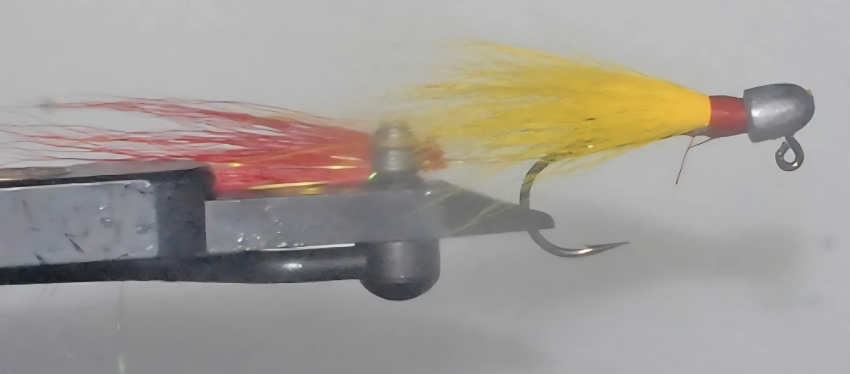
Keep in mind that the jig runs hook up and that we want the darker color above, like a natural baitfish. So, snip off a finger pinch section of the lighter of two contrasting color bucktails and apply it to the upper part of the jighead. Secure the upper body section with several winds of thread. Add strands of flash so that they trim the left and right sides of the upper body. Secure with thread and then seal into place with Zap-a-gap.
Step 4. - Add dorsal color and finish
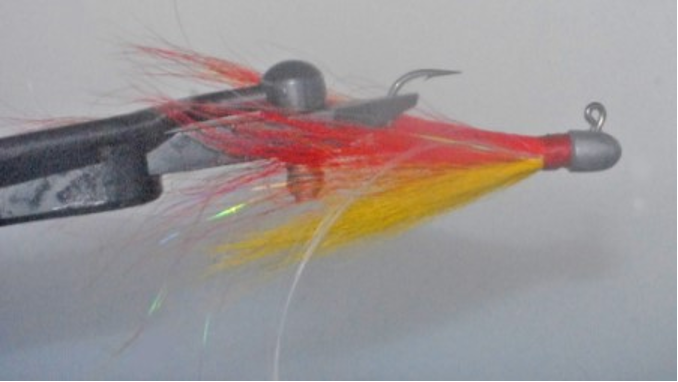
Turn the jig in the vise and repeat the process above using the darker contrasting color of bucktail for the lower body. Distribute the strands so that they drape both sides of the hook. Wind thread to securely fasten all bucktail and trim, then glue carefully with Zap-a-gap. It won't make your jig piranha proof, but it will hold up better and last longer despite a good pounding by hungry peacocks.
Additional Considerations
Colors - A wide variety of colors can be effective, depending on water conditions. Natural colors, such as olive and white, black and white and lightly shaded, less contrasting patterns work well in clear and very lightly stained water. Darker black-water conditions call for brighter colors. Red and yellow, red and white and even chartreuse with plenty of bright flash are more readily seen in water with lower visibility. The onboard rattle further helps the jig get noticed in these conditions. Don't be afraid to experiment, but keep water color and clarity in mind.
Hooks - The wide gap, 6/0, extra-strong hook is a critical component. If the hook gap is not great enough to get around the fish's jawbone, the point will embed in bone and is unlikely to penetrate to the barb. Additionally, the resulting position will provide enough leverage so that a big, strong fish will readily straighten the strongest of hooks. Let’s face it, any 1/2 ounce jig head with any hook will catch the little ones, but bigger fish will make short work of mediocre hooks and hardware, often leading to a serious case of angler heartbreak.
Material - Another key factor is the use of bucktail. There are many synthetics available that are often easier to tie and less expensive to buy. Resist the temptation. Real bucktail is a unique, hollow fiber that imparts an all-important natural pulsing motion to the jig. It's well worth the minor extra effort and expense it incurs.